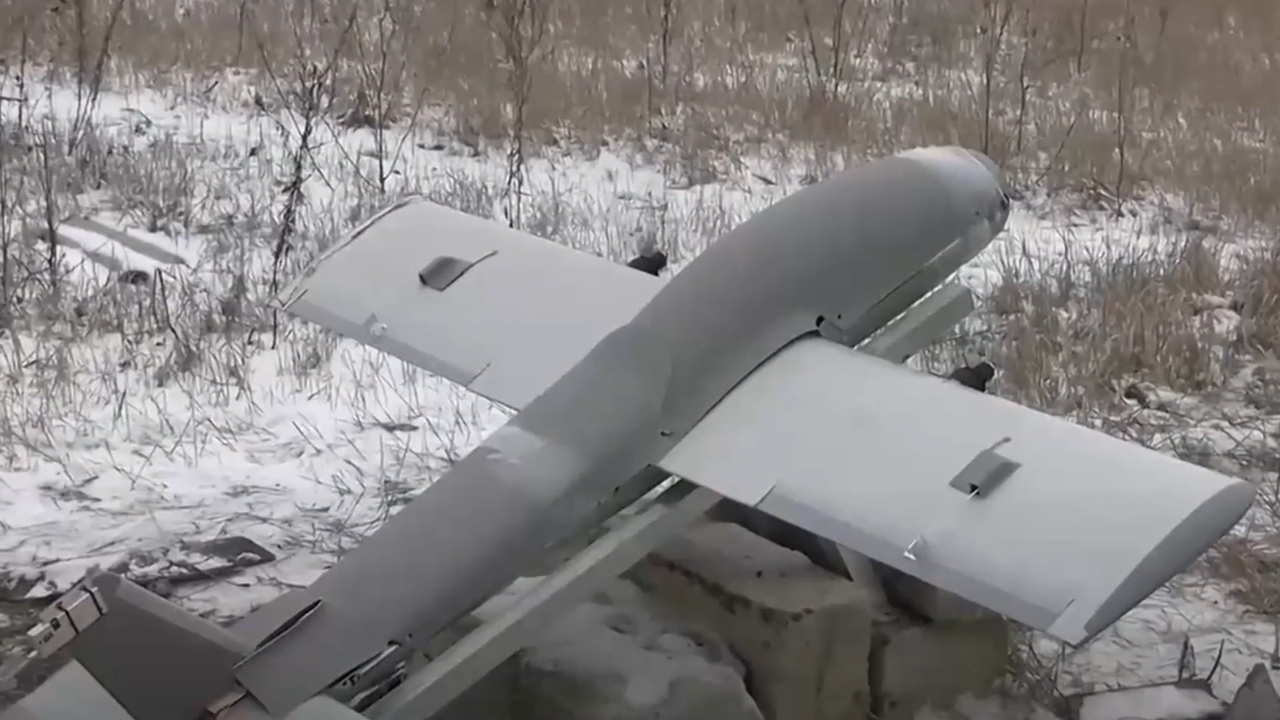
In a telling development highlighting resourcefulness amid technological limitations, Russian military drones have been observed utilizing simple, screwed-on magnetic compasses as a means of basic navigation. This low-tech solution provides a critical fallback for drone operators when advanced satellite communication systems, such as GPS or GLONASS, are disrupted or entirely lost due to jamming or other electronic warfare measures. The practice underscores a pragmatic approach to maintaining operational capabilities in complex combat scenarios.
The addition of these physical compasses to sophisticated unmanned aerial vehicles (UAVs) suggests a recognition of the vulnerabilities inherent in relying solely on satellite-dependent navigation. When a drone loses its digital guidance, the crude magnetic compass allows the on-board camera to occasionally tilt downwards, capturing an image of the compass reading. This manual verification enables operators to coarsely determine the drone's heading, providing at least some semblance of directional control and aiding in target acquisition or return-to-base maneuvers.
Affiliate contentGames up to -90% off
Instant key delivery on Instant Gaming
Browse deals →This adaptation reflects an urgent need for redundancy in navigation systems, particularly given the high-stakes environment in which these drones operate. While certainly less precise than satellite positioning, magnetic compasses are impervious to electronic interference, offering a robust, albeit basic, form of guidance. The simplicity of the solution also implies rapid implementation at the field level, allowing for quick modifications to existing drone fleets.
The use of such rudimentary tools on modern military hardware highlights the ongoing cat-and-mouse game in contemporary electronic warfare. As more advanced jamming techniques emerge, combatants are forced to innovative, sometimes even anachronistic, methods to ensure their systems remain functional. This crude add-on suggests a shift towards robust, low-tech backups that can withstand high-tech attacks, ensuring that even without GPS, these drones can still find their way and fulfill their mission objectives.