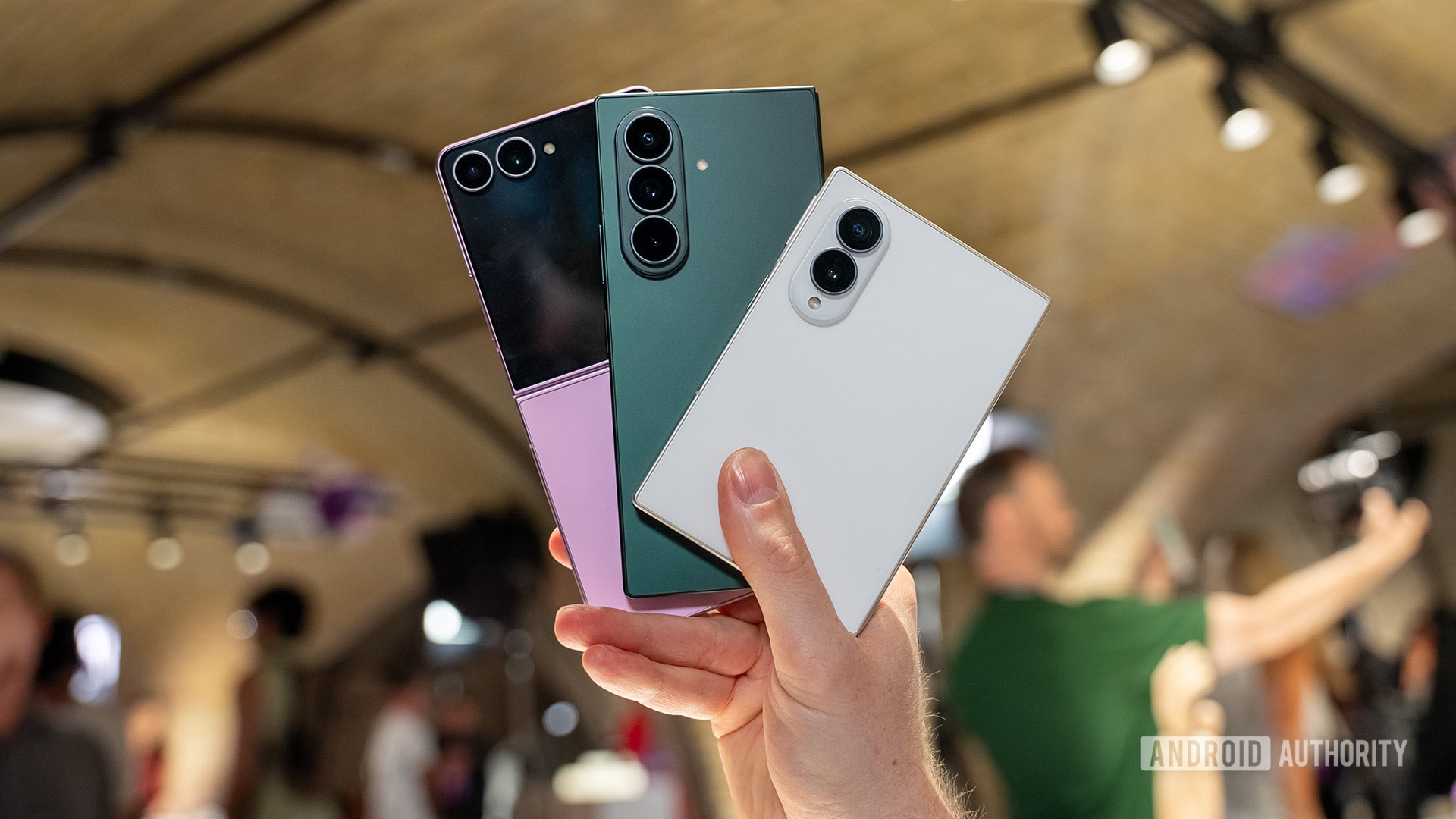
For loyal Samsung foldable users, a familiar and frustrating narrative continues to unfold with each new generation: the issue of durability. Despite advancements in hinge design and screen protection, a core hardware flaw, particularly concerning the internal, folding display, remains unaddressed across the company's lineup. This persistent oversight is not only disappointing but undermines the trust and investment consumers place in these otherwise cutting-edge devices, especially given their premium price point.
Affiliate contentGames up to -90% off
Instant key delivery on Instant Gaming
Browse deals →The most prominent and recurring problem revolves around the display itself, specifically its susceptibility to damage along the crease or from minor impacts. Users frequently report micro-cracks, dead pixels, or complete panel failures that originate from the folding mechanism or simple, everyday handling. While Samsung offers warranties and repair services, the sheer frequency of these issues suggests a fundamental design or material weakness rather than isolated incidents. For a device that costs upwards of $1,000 to $2,000, such vulnerabilities are unacceptable.
Samsung has heavily invested in marketing its foldables as robust and innovative, yet the reality on the ground for many users tells a different story. Competitors in the foldable space are beginning to demonstrate more resilient screen technologies or more effective protective layers, putting pressure on Samsung to genuinely upgrade its approach to durability. Ignoring this critical hardware flaw directly impacts the long-term viability and appeal of foldables. Until Samsung commits to a truly robust, unyielding folding display, these devices will remain a gamble for consumers who expect premium quality to extend beyond initial aesthetics to enduring reliability.