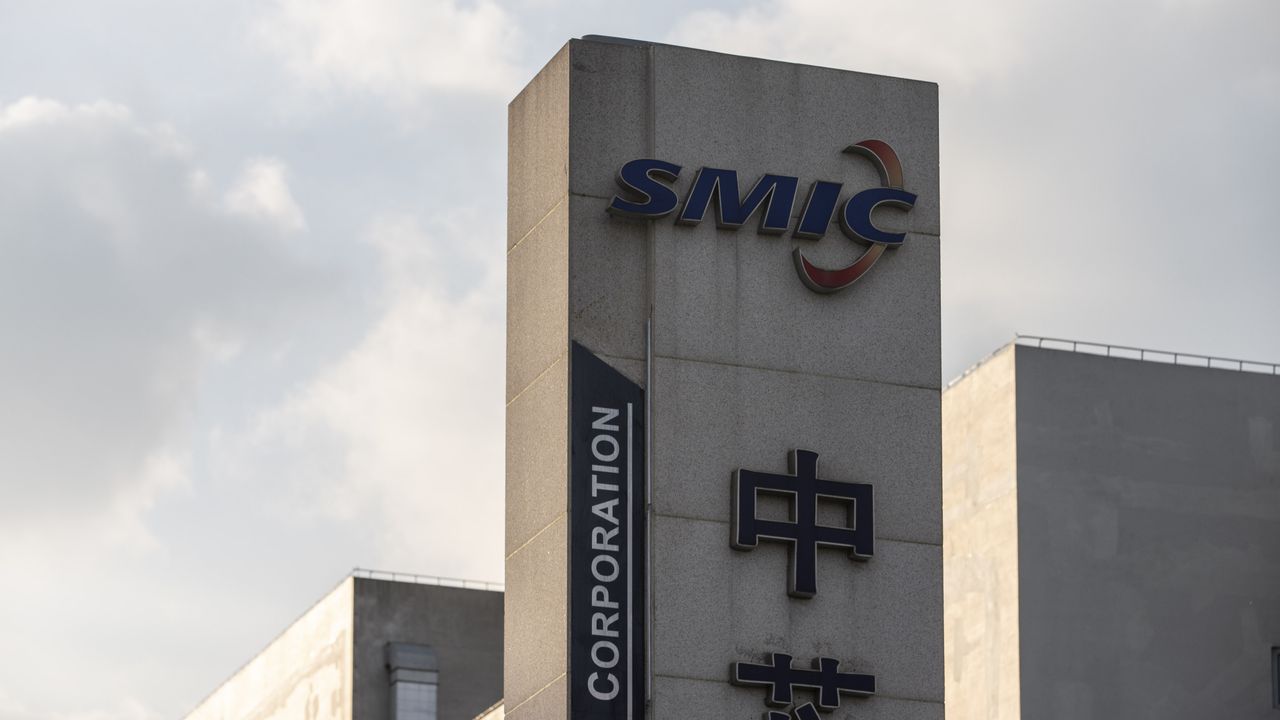
In a revealing analysis from its newly established teardown laboratory, SemiAnalysis has shed light on the capabilities of China's Semiconductor Manufacturing International Corporation (SMIC)'s advanced process nodes. The investigation focused on Huawei's Kirin 9030, a chip notably manufactured using SMIC’s third-generation 7nm process, which has garnered attention for being produced despite international sanctions.
The most intriguing finding from this teardown is related to the minimum local metal pitch (MLMP) of SMIC's 7nm process, measured at 32.5nm. This specific metric indicates how closely metal lines can be spaced on a chip, which is crucial for interconnections and overall chip performance. Surprisingly, SMIC's 7nm MLMP has been found to outperform Intel's cutting-edge 18A process in this particular aspect, a testament to SMIC's engineering acumen in certain areas.
Affiliate contentGames up to -90% off
Instant key delivery on Instant Gaming
Browse deals →However, while the metal pitch is impressive, the overall picture of transistor density tells a different story. The SemiAnalysis report indicates that SMIC's 7nm process lags behind Intel's 18A by a substantial 38% in terms of transistor density. This means that despite having finer metal lines, SMIC's technology cannot pack as many transistors into a given area as Intel's, suggesting differences in other critical scaling factors like gate length or cell library efficiency.
This discrepancy highlights the multifaceted nature of semiconductor technology. While SMIC demonstrates a competitive edge in certain design rules (like metal pitch), Intel's holistic approach to process optimization, encompassing various scaling parameters, still yields a significantly denser process. This analysis provides valuable insight into the ongoing technological race and the varying strengths of global chip manufacturers.