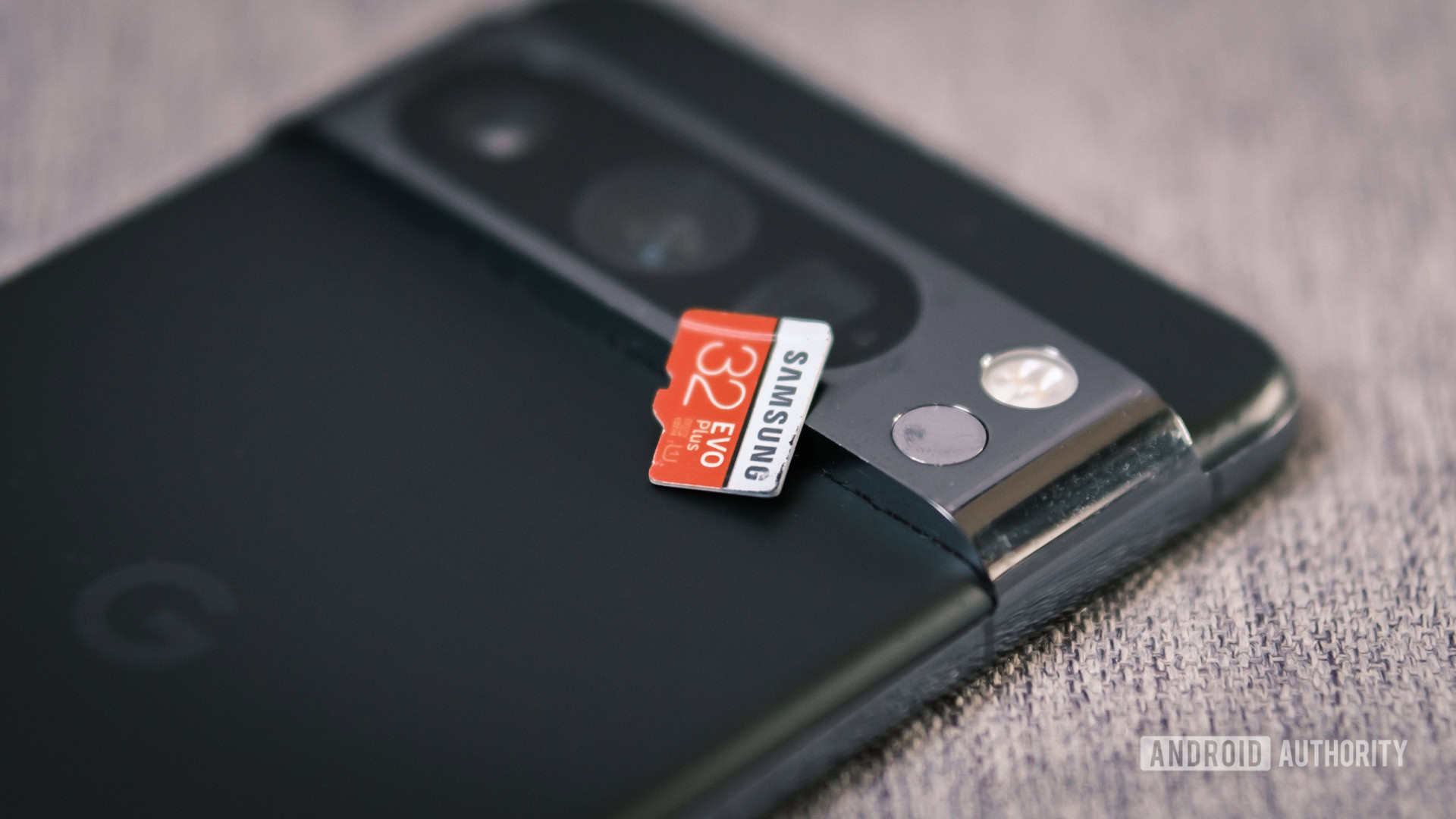
In today’s smartphone market, the cost of internal storage upgrades has soared, pushing consumers to pay increasingly steep premiums for devices with larger capacities. This economic shift brings into sharp focus the lost utility of microSD card slots, a feature that was once ubiquitous in Android phones and offered a cost-effective way to expand device storage. As file sizes for photos, videos, and applications continue to grow exponentially, the demand for more storage remains constant, yet manufacturers often remove the most budget-friendly solution.
Affiliate contentGames up to -90% off
Instant key delivery on Instant Gaming
Browse deals →The economics are simple: a 256GB internal storage upgrade from a manufacturer can cost upwards of $100-$200, whereas a high-quality 256GB microSD card can be purchased for a fraction of that price. Beyond the immediate cost savings, microSD cards offer immense flexibility. Users can easily transfer large media libraries between devices, offload data to save internal storage, or even swap out cards for specific purposes, such as an extensive music playlist for a trip or dedicated gaming storage. This modularity is a significant advantage that integrated storage simply cannot replicate.
While some manufacturers argue that microSD cards can slow down device performance or compromised design aesthetics, modern microSD card technology has advanced significantly, offering respectable read/write speeds that are sufficient for most users. Furthermore, innovative design solutions could easily integrate a microSD card slot without sacrificing device integrity or water resistance. The consumer demand for more affordable storage is clear, and bringing back microSD card support would not only empower users but also inject much-needed competition into the storage upgrade market, forcing prices down and offering better value. It’s time for manufacturers to reconsider this consumer-friendly feature.