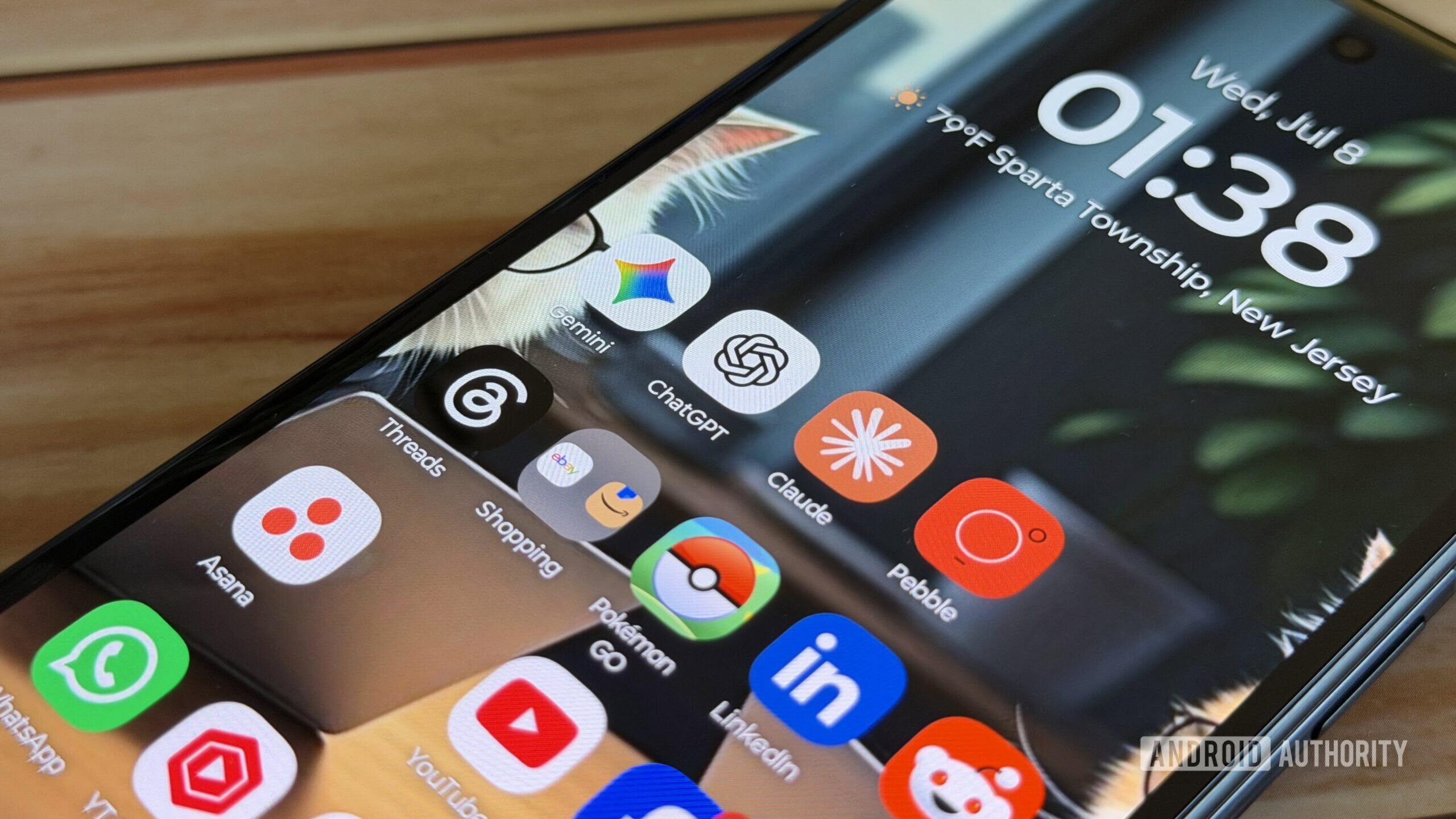
In an experiment designed to test the comparative intelligence of AI chatbots, I asked ChatGPT, Claude, and Gemini to name the best smartphone on the market. The objective was not just to see their final recommendations, but to understand the reasoning and criteria they employed. The outcomes were far from uniform, offering a fascinating glimpse into the distinct 'personalities' of these advanced language models.
ChatGPT, known for its balanced and comprehensive approach, delivered a nuanced recommendation. It didn't just pick a single device but rather offered a few top contenders, carefully categorizing them by user needs, such as 'best for photography,' 'best for value,' and 'best for performance.' Its analysis incorporated a wide array of factors, including camera quality, battery life, operating system updates, ecosystem integration, and market reputation, presenting a very thorough and well-justified argument.
Affiliate contentGames up to -90% off
Instant key delivery on Instant Gaming
Browse deals →Claude, in contrast, exhibited a preference for devices known for their advanced security features and privacy-centric design. Its output leaned towards flagships that emphasized user data protection and offered robust software support. While comprehensive, Claude's recommendations felt slightly more niche, appealing to a specific segment of conscious consumers who prioritize digital safety above all else. The rationale was logical, but perhaps less broadly appealing than ChatGPT's.
Gemini, on the other hand, surprised me with choices that often prioritized innovative features and technological advancements, sometimes even at the expense of widespread mainstream appeal or established market presence. Its suggestions sometimes included newer, less common models with cutting-edge, experimental technologies. This approach, while interesting, occasionally lacked the practical considerations that define a 'best' smartphone for the average consumer, revealing a bias towards novelty and emerging tech.
Ultimately, the experiment highlighted that while all three are powerful AI tools, their evaluative frameworks differ considerably. ChatGPT proved to be the most balanced, Claude the most security-focused, and Gemini the most future-oriented, proving that the 'best' answer depends heavily on the AI's programmed priorities.