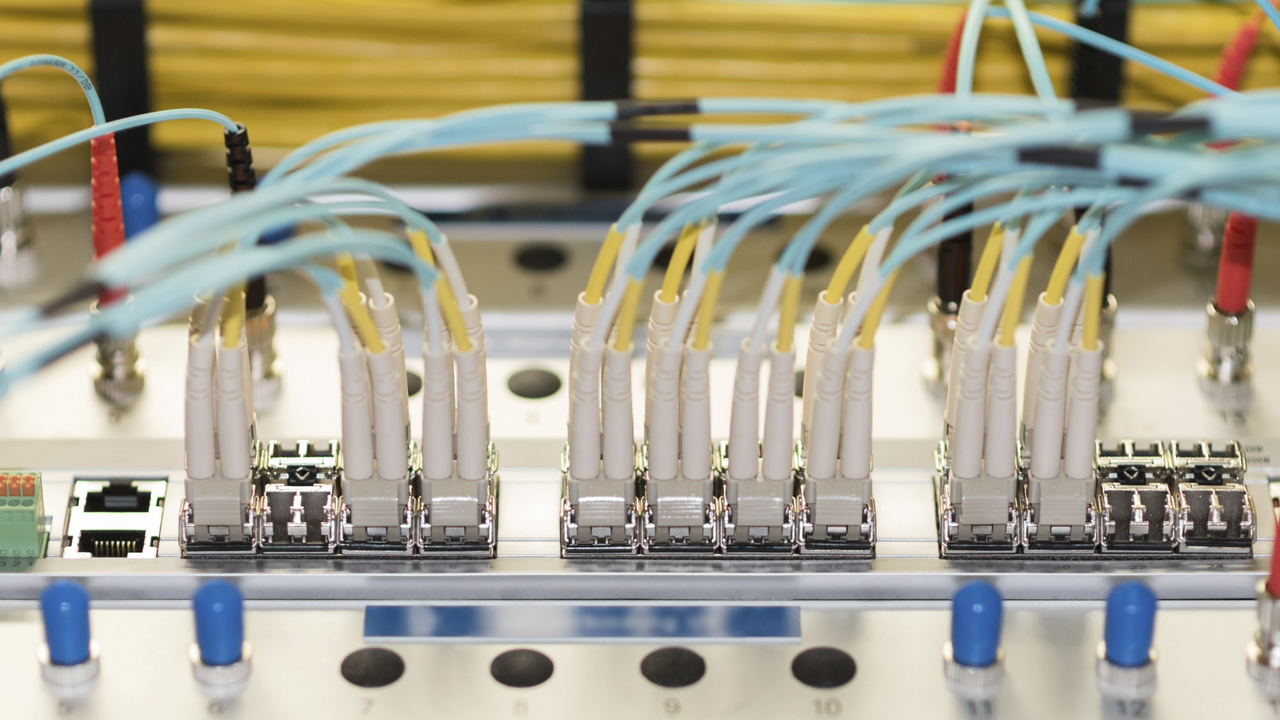
Sources close to the matter indicate that the U.S. government is actively working towards implementing a ban on certain Chinese networking technologies crucial for data centers, with a particular focus on optical transceivers. These components, vital for converting electrical signals into light pulses for high-speed data transmission, are being scrutinized over concerns that they could pose significant national security risks.
According to reports, the White House aims to impose these restrictions by 2026, citing fears that such devices could be exploited to facilitate data theft, inject malware, or disrupt critical data center infrastructure within the United States. The potential for foreign adversaries to compromise essential communication networks through supply chain vulnerabilities is a driving factor behind this proposed crackdown.
Affiliate contentGames up to -90% off
Instant key delivery on Instant Gaming
Browse deals →Should the U.S. proceed with this ban, it could have profound implications for data center operators, forcing them to re-evaluate their equipment procurement strategies and potentially leading to significant costs for replacing existing infrastructure. The move is part of a broader effort by the U.S. to secure its digital infrastructure against perceived threats from foreign entities, especially those from China.
China has already issued a stern warning, indicating that it would respond with necessary countermeasures if the U.S. implements such restrictions. This escalates the ongoing technology rivalry between the two global powers, potentially impacting the global supply chain for critical networking components. The ban would not only affect the availability of certain products but also intensify the debate around technological independence and national security in an increasingly interconnected world.