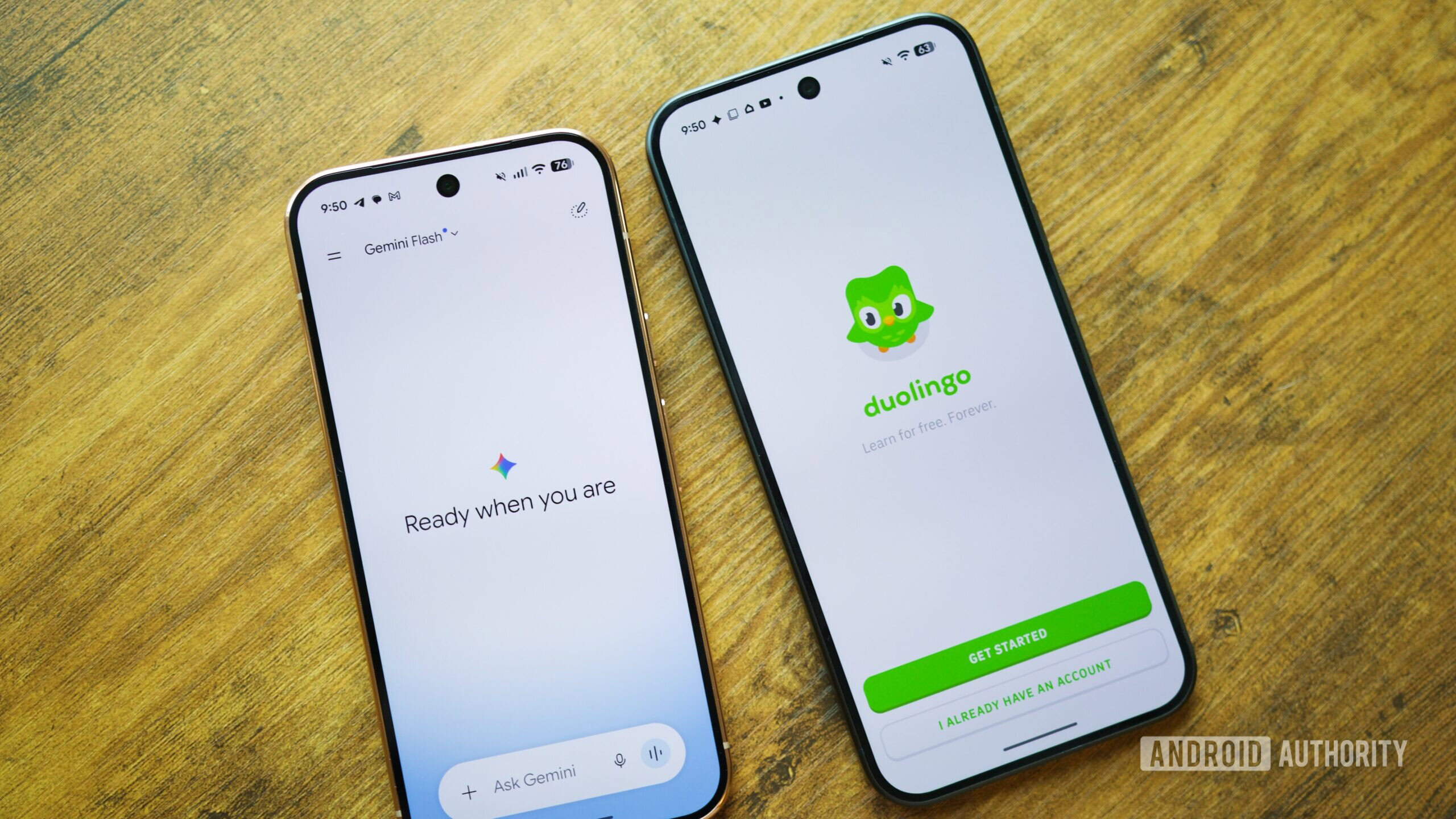
As a regular user of both Gemini and ChatGPT, my daily interactions with AI chatbots highlight distinct strengths and weaknesses. While both platforms offer impressive capabilities, Gemini consistently falls short in several key areas that keep me tethered to ChatGPT as my default choice.
One significant drawback of Gemini is its occasional struggle with creative writing prompts. When tasked with crafting detailed narratives, poems, or complex dialogues, Gemini often produces output that feels generic or lacks the nuanced depth I've come to expect from ChatGPT. The latter excels at generating more imaginative and contextually rich content, consistently delivering results that require less editing and refinement from my end.
Affiliate contentGames up to -90% off
Instant key delivery on Instant Gaming
Browse deals →Another critical distinction lies in their respective abilities to handle complex coding tasks. For debugging, generating boilerplate code, or even offering architectural suggestions, ChatGPT demonstrates a superior understanding and execution. Gemini, in contrast, frequently provides less optimized or even incorrect code snippets, necessitating additional time for verification and correction.
Furthermore, the integration with external tools and APIs is smoother and more robust with ChatGPT. Its ecosystem allows for a wider range of functionalities, making it a more versatile tool for tasks that require interacting with other services. Gemini's integration capabilities, while improving, still feel less mature and occasionally lead to compatibility issues.
Finally, the user experience and interface of ChatGPT often feel more intuitive and polished. While Gemini has made strides in its design, the overall flow and ease of interaction for complex queries remain more streamlined in ChatGPT, contributing to its ongoing status as my preferred AI assistant for demanding tasks.